
 Deutsch
 Русский
 Español
 Français
 한국어
한국어 日本語
日本語
What is a Magnetic Encoder and Why Does It Need Sensor Magnets?
An encoder is an electromechanical device that converts information from one format or code into another. Specifically, a position encoder converts linear or rotary motion into an electrical signal, providing precise data on position, speed, and direction of movement.
Magnetic encoder systems utilize a magnetized scale featuring a series of alternating magnetic poles. Motion along this scale is detected by a readhead containing a highly sensitive sensor. As the readhead moves, it detects changes in the magnetic field and converts them into electrical signals. Because of their durability and precision, magnetic encoders are heavily used in robotics (such as Automated Guided Vehicles, AGVs) and advanced printing applications.

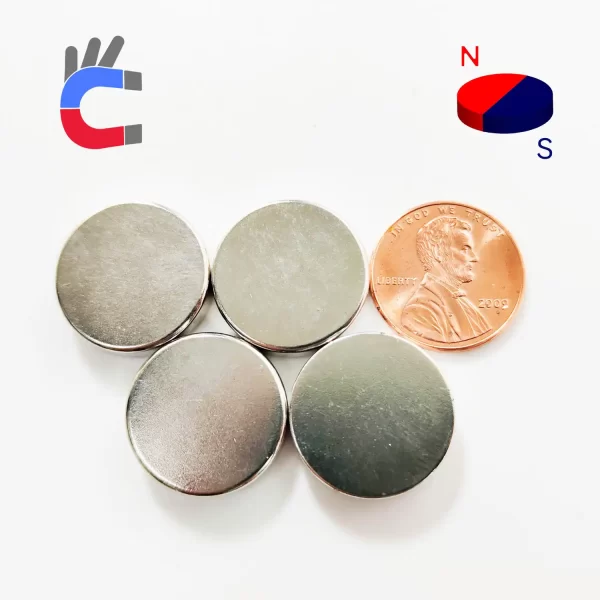
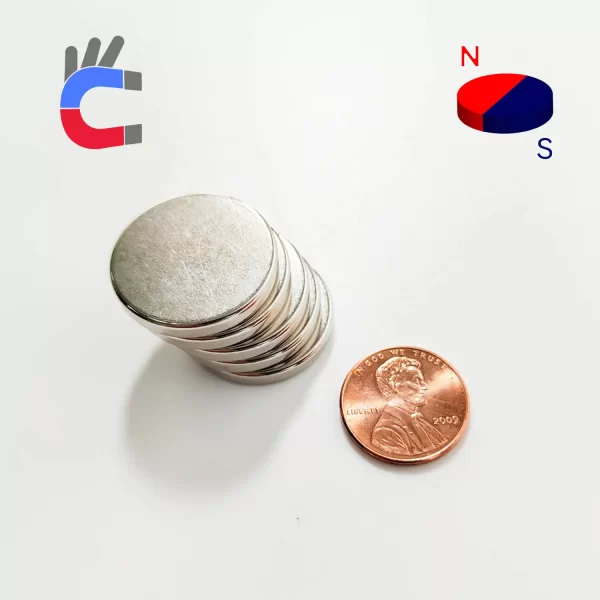
Encoder magnets
Sensor magnets and sensor magnetic rings are the heart of any magnetic encoder system. CC Magnetics offers one of the world's most comprehensive selections of both single-track and dual-track encoder magnetic rings—available to our clients without any additional mold or tooling fees.
Single-Track vs. Dual-Track Magnetic Encoder Rings
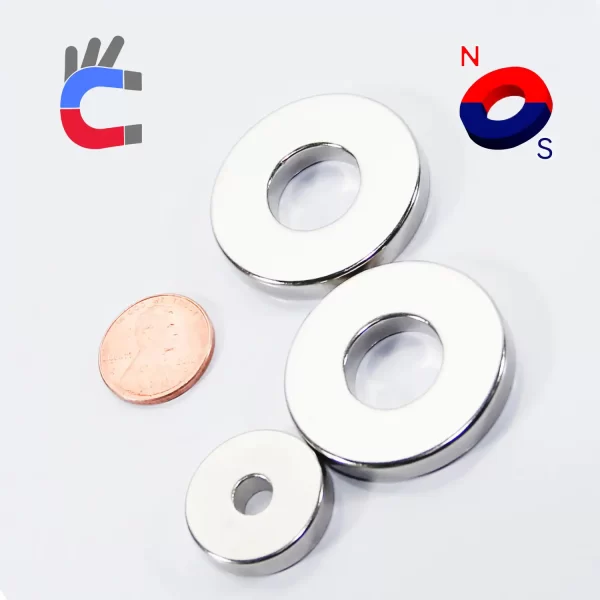
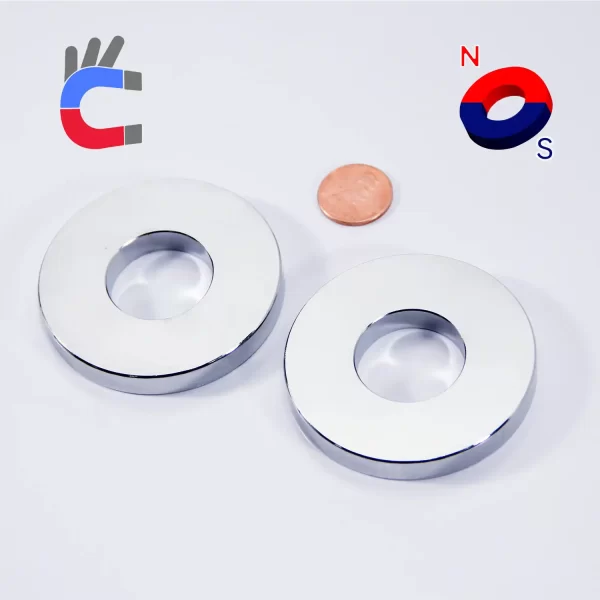
Encoder magnets
Whether you are designing a Hall induction motor, requiring radially multipole sintered ferrite magnets, or seeking an injection-moulded plastic ferrite magnet for an off-axis position sensor, understanding the difference between single and dual-track designs is critical.
↑ Single-Track Sensor Magnetic Ring
A single-track magnetic ring is primarily used as the core component of an incremental encoder. These encoders calculate the rotation angle by outputting pulse signals. A key characteristic of incremental systems is that the reference (zero) point must be re-established every time the device is powered on. They are highly cost-effective and are typically the best choice when you only need to determine the speed, distance, or direction of movement.
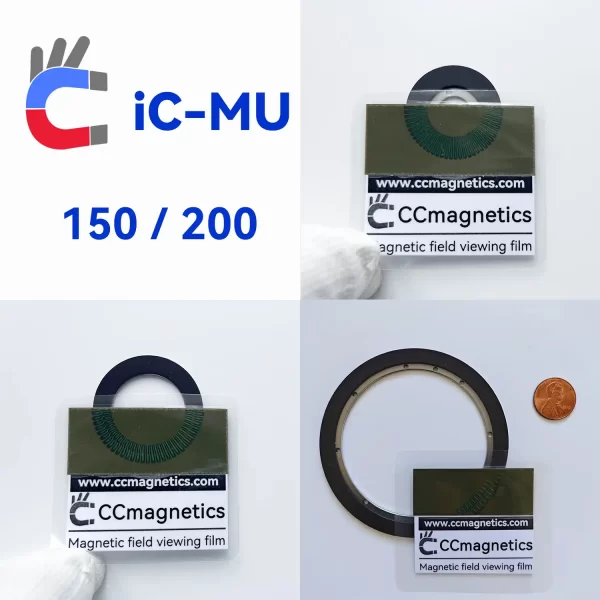

Dual-Track Encoder Ring
↑ Dual-Track Absolute Magnetic Disc
A dual-track magnetic disc (such as a 2-track axial magnetic target used with IC-Mu Nonius encoders) is the essential component of an absolute encoder. Unlike incremental systems, it directly outputs a unique binary code for the current position without ever needing to return to a reference point. This means crucial position data is perfectly maintained even after a power failure. Due to this unique "memory" function, dual-track discs are highly recommended for applications demanding exact positioning, such as industrial robots, brushless DC motor commutation, motor feedback systems, and multi-axis measurement equipment. Because of their complexity and precision, they command a higher price.
Advantages and Disadvantages of Ferrite Encoder Magnetic Rings
When selecting materials for your encoder, Ferrite is a common choice. Here is a breakdown of its pros and cons:
Strengths of Ferrite Magnets:
- Easy to magnetize: Simplifies the manufacturing process.
- Highly corrosion-resistant: They do not require extra surface coatings or plating.
- Stable performance: Excellent resistance to demagnetization from outside interfering magnetic fields.
Weaknesses of Ferrite Magnets:
- Fragility: They are extremely brittle and can break or chip easily upon impact.
- Low stress tolerance: Cannot be utilized in mechanical structures that will subject the magnet to significant stress or flexing.
- Moderate magnetic strength: Their lower flux density makes them unsuitable for applications requiring high magnetic strength.
- Temperature limits: They begin to suffer irreversible demagnetization when exposed to temperatures above 480°F (250°C).
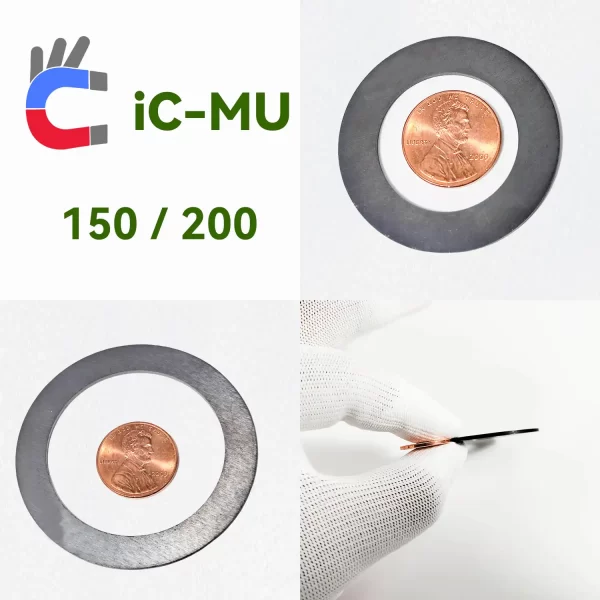
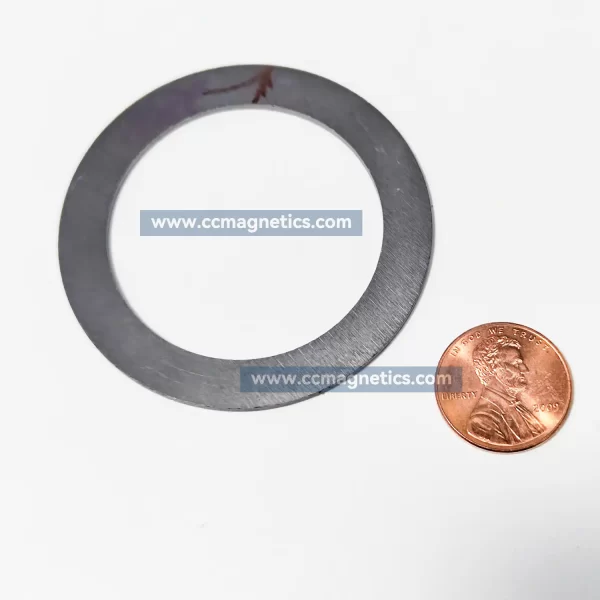
Dual-Track Encoder Ring
High-Temperature Applications: Which Magnetic Rings to Choose?
For applications operating in high-temperature conditions (up to 180°C / 356°F), manufacturers typically rely on two primary materials: Ferrite and Neodymium Iron Boron (NdFeB).
- Ferrite Rings: The main advantage is cost-effectiveness. However, due to their fragile nature, they must usually be assembled with an aluminum alloy hub or base for structural support.
- NdFeB Rings: The preferred choice for high-precision equipment. They offer immense magnetic strength and are structurally robust enough that they often do not require an aluminum alloy base. The trade-off is a relatively higher price point.
How to Choose the Right Encoder Magnetic Ring?
Selecting the optimal magnetic ring depends on several critical factors, including dimensional constraints, your specific industry application, angular accuracy requirements, and residual magnetism specifications.
For expert engineering assistance, please contact our sales team via email. We will evaluate your technical requirements and recommend the perfect magnetic solution. For highly specialized projects, we also provide custom manufacturing services with reasonable pricing, guaranteed product quality, and comprehensive after-sales support.
Hi I am interesting in magnetic encoders for a measurement system that is looking at error of less 0.1 degrees or less. The nonius absolute magnetic encoder seems pretty good and was wondering what the typical error is when paired with iC-MU? Thank you